


























A $1 Million Powerball Ticket Sold in Western New York: What We Know and What Winners Should Do
The Core Detail: A Seven-Figure Ticket in Western New York
A Powerball ticket worth $1 million was sold in western New York, making it the kind of local lottery story that quickly gets attention. A seven-figure prize is rare enough to stand out, and when it lands in a specific region, players naturally want to know where the ticket was bought, which drawing it came from and whether anyone has stepped forward.
At this point, the central fact is straightforward: a $1 million Powerball ticket was sold in western New York. That does not necessarily mean the ticket hit the full jackpot. A $1 million prize can represent a major secondary prize rather than the top prize, so readers should avoid assuming this was a jackpot-winning ticket unless official information confirms it.
The story is also a reminder that big lottery wins are not limited to the national headlines. They can happen in local communities, at ordinary retailers and during drawings that otherwise seem routine. For players in the region, that makes checking tickets more interesting than usual.
Why a $1 Million Prize Draws So Much Attention
A $1 million lottery prize has obvious financial impact, but its local appeal goes beyond the dollar figure. When a large winning ticket is sold in a region, people who live nearby feel a connection to the story. They may have bought tickets at the same kind of store, played the same drawing or simply recognize the area mentioned in early reports.
There is also the natural curiosity about the winner. Will the person be identified? Will the retailer get attention? Will the winner choose a public announcement or try to stay private? Those questions often remain unanswered for some time, especially in states where winners can claim through a trust or keep their names out of the public spotlight.
For other players, the story serves as a prompt to check old tickets. It is easy to leave a ticket in a wallet, car console or kitchen drawer and forget about it. A local seven-figure win is a useful reminder to look through any unclaimed slips and compare them with the official winning numbers.
What Winners Should Do First
Anyone who believes they hold the $1 million ticket should treat it like a valuable document. The first step is to sign the back of the ticket if the rules for the game allow it. This helps establish ownership and makes it harder for someone else to claim the prize if the ticket is lost or stolen.
The ticket should then be stored safely. A plastic sleeve, envelope or secure drawer is better than leaving it in a pocket or visible place. Taking a clear photograph for personal records can help, but the full ticket should not be posted on social media or sent to strangers. Those images can expose sensitive information and create unnecessary risk.
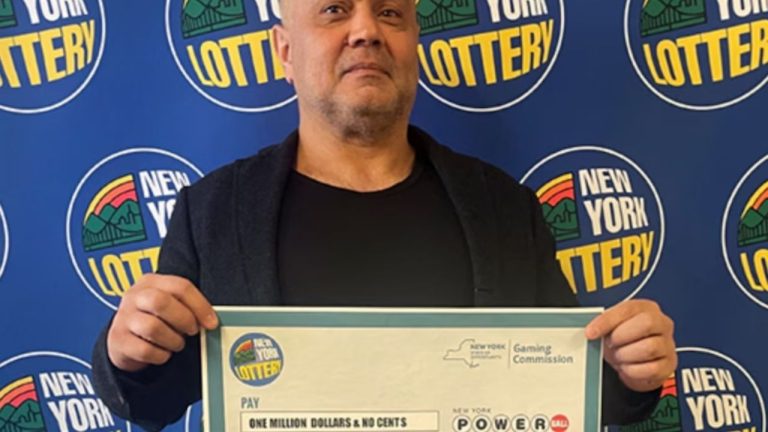
Before making any major financial decisions, a winner should contact lottery officials through official channels. They can explain the claiming process, required identification and the options available for receiving the prize. A winner may also want to speak with a qualified tax professional and a financial adviser before deciding how to handle the money.
What the Public Still Does Not Know
With a story like this, early reports often focus on the headline fact: a $1 million ticket was sold in western New York. Details such as the exact retailer, the drawing date, the winner’s identity and the claim status may not be publicly available yet. Readers should be careful about filling in those gaps with rumor or social media speculation.
If a specific store or town is mentioned online, it is worth waiting for official confirmation before treating it as fact. Lottery investigations and claim reviews can take time. A ticket being sold somewhere does not automatically mean it has been claimed, and a winner coming forward does not always mean the person wants public attention.
The same caution applies to assumptions about the winner’s plans. People often speculate about whether a winner will take a lump sum, buy a house, quit a job or share the money with family. Those are personal decisions, and none of them should be presented as known facts without confirmation.
How Local Players Can Check Their Tickets
Players who bought Powerball tickets in western New York should compare their numbers with the official results for the relevant drawing. It is best to use an official source rather than a random social media post or forwarded message. If a ticket appears to match a major prize, the holder should avoid posting the numbers publicly and contact lottery officials directly.
It also helps to check every line on a ticket, not just the first one. Some players buy multiple plays on one slip, and it is possible to overlook a winning line when scanning quickly. Keeping tickets in one safe place until they have been checked is a simple habit that reduces the chance of losing a prize.
Scam Risks Around Big Lottery News
Large lottery stories attract scammers. They may pose as officials, claim that a fee is needed to release a prize or ask for personal information by phone, text or email. A legitimate lottery process should be handled through official channels, and winners should be skeptical of anyone who demands urgent payment or sensitive details.
No genuine claim process should require a winner to pay an upfront fee to receive a prize. Winners should also avoid sharing the ticket’s serial number, full image or personal identification details with anyone who has not been verified. If something feels rushed or unusual, it is reasonable to pause and confirm the next step directly with lottery officials.
A $1 million Powerball ticket sold in western New York is a significant local story, but the most reliable approach is to stick to confirmed details. The ticket exists, the prize is seven figures and the region is known. Other specifics should come from official updates. In the meantime, local players should check their tickets carefully, store them safely and handle any possible claim through proper channels.

0 Kommentare
Noch keine Kommentare. Teile als Erste:r deine Erfahrung.