


























Bridge for Beginners: A Step by Step Guide to Your First Hand
Bridge looks complicated from the outside because it combines partnership, bidding, and card play. Once you break it into a clear order, however, the first hand is manageable. This guide walks you through the basic sequence a new player needs.
Step 1: Set the Table and Pair Up
Bridge is played by four people in two partnerships. You and the person opposite you are partners; the other two players form the opposing pair. Sit around a table with a standard deck and decide who will deal first. After each hand, the deal moves clockwise. You do not need special equipment to start. A quiet table, a deck of cards, and a way to keep score are enough. Agree before you begin that you are learning, so nobody expects perfect bidding or expert play.
Step 2: Deal, Sort, and See the Goal
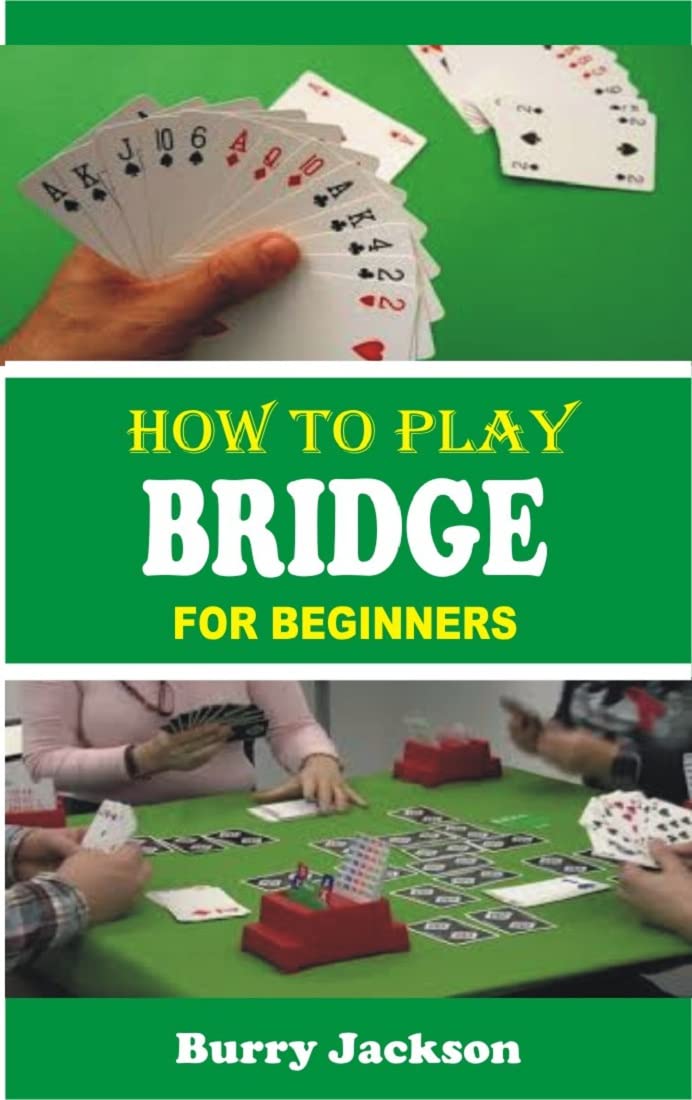
The dealer gives every player thirteen cards, one at a time, face down and clockwise. Each player picks up their hand and sorts it into suits, usually alternating colors so the suits are easy to see. The goal is to win tricks. A trick is one round in which each player contributes one card. There are thirteen tricks in a hand. Your partnership tries to win at least as many tricks as its bidding promises, while the opponents try to stop you. At this stage, keep your aim simple: learn the flow of the hand and follow the rules of play.
Step 3: Understand the Auction
Before cards are played, the four players hold an auction. Starting with the dealer and moving clockwise, each player either passes or makes a bid. A bid names a number from one to seven and a strain: clubs, diamonds, hearts, spades, or no trump. The number is added to a base of six tricks, so a bid of one asks for seven tricks and a bid of three asks for nine. Bids must improve on the previous bid. Within the same number, clubs rank lowest, then diamonds, hearts, spades, and no trump; a bid can also raise the number. The auction ends after three passes following the last bid, and that last bid becomes the contract. If all four players pass, the hand is usually redealt. Beginners should focus on passing or making simple bids. You will hear double and redouble, but you can leave those for later. As a rough guide, bid when your hand looks strong in high cards or long suits; otherwise, pass and listen.
Step 4: Identify Declarer, Dummy, and the Opening Lead
The partnership that won the auction is trying to make the contract. The member of that partnership who first named the final strain is the declarer. Declarer's partner is the dummy. The player to declarer's left makes the opening lead by playing the first card. After that card is on the table, dummy places their entire hand face up. Declarer chooses the cards from dummy as well as from their own hand. The two defenders work together to defeat the contract, but they cannot see each other's cards. If you are dummy, place your cards clearly and let declarer make the decisions.
Step 5: Play the Tricks
The player who led to the trick establishes the suit for that round. Each other player must follow suit if they can. If a player has no card in the led suit, they may play any card, including a trump if the contract has a trump suit. The highest card in the led suit wins the trick unless a trump is played, in which case the highest trump wins. In a no trump contract, there are no trumps, so the highest card of the led suit takes the trick. The winner of a trick leads to the next one. Play continues until all thirteen tricks have been completed. Beginners should watch suit lengths and remember what has already been played, but the first goal is to follow suit correctly and keep track of who is winning.
Step 6: Score and Learn From the Hand
When the tricks are finished, compare the number won with the contract. If declarer's side made the contract, they score points. If they failed, the defenders score penalties. Bonuses apply for valuable contracts, but you do not need to memorize the full scoring table on day one. Write down the contract and the result, then replay a few hands. Review one auction and one trick with your partner: Did you follow suit? Did you notice the trump? Could the opening lead have been safer? That small review teaches faster than trying to memorize every rule at once.
In short, bridge follows a reliable sequence. Pair up, deal, auction, lead, play, and score. Learn the auction slowly, follow suit carefully, and ask questions between hands. Whether you play at home or at a table offered by a licensed operator, the basic order of play stays the same. Start with simple contracts, keep notes, and let accuracy come before speed.

6 Comments
Great article. The bonus terms are explained very clearly.
I have used these tips for two months and my results are much better now.
Finally a review that explains everything clearly. Very helpful.
I withdrew twice this month and the money arrived very fast. Very happy.
Excellent article. The comparison table saved me a lot of time.
I read this twice. Everything I needed was here.